

Let Nature Be Your Guide

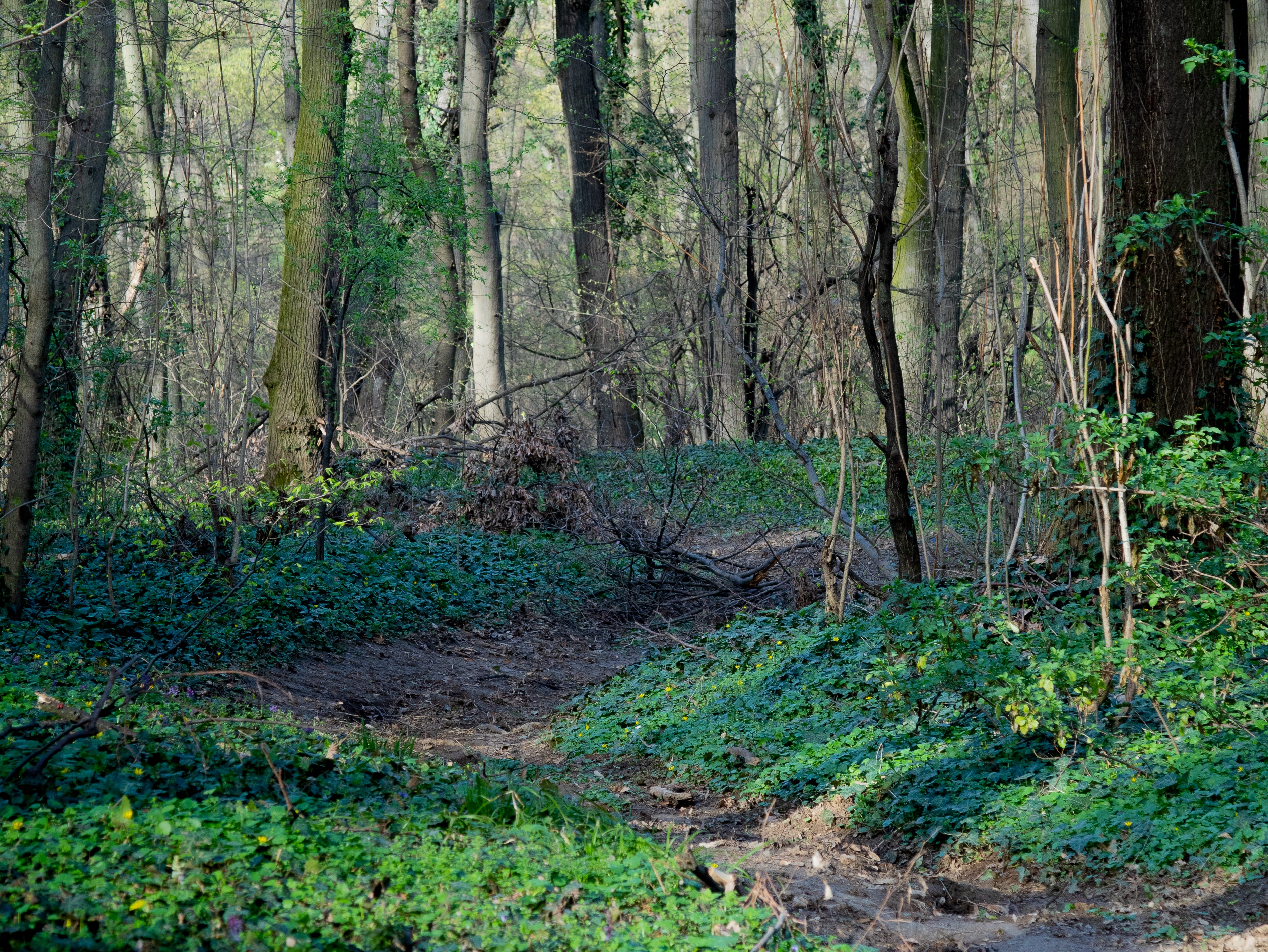
Ever notice how varied plant growth appears in natural areas? In woodlands, small flowering plants cover the ground, with assorted wildflowers in patches here and there, while vines, shrubs, and bushes fill out the undergrowth surrounding the trees. There’s no real uniformity to it; it’s more or less organized chaos.
However, if you observe closely, the flora is composed of a diverse selection of native plants that coexist, benefiting each other in one way or another. For example, the delicate, tiny, blossoming greenery covering the soil thrives in the shade of its larger neighbors, while the taller plants rely on the ground cover to suppress weeds, retain moisture, and hold the soil in place.
Of course, they all provide food and shelter for pollinators. who, in return, act as nature’s pest control while pollinating and spreading seeds.
We Can Learn a Lot from Nature
Did you know that in the 1500s, well-to-do English landowners took pride in their rainbow-colored lawns of wildflowers, where grass was considered the unwelcome weed?
It wasn't until the 19th century that perceptions changed. The Garden Clubs of America, the US Golf Association, and the US Department of Agriculture launched a campaign to convince Americans they needed to carpet their yards in a sea of green. With the advent of lawnmowers, everyone could have immaculate lawns like the rich and famous.
It worked. Since the idea of impressing our neighbors with manicured lawns became popular, we’ve neglected the concept of working with nature. Even though the consequences of our (in)action are staring us in the face, humans are still too slow to convert from the mindset of landscaping in widely spaced rows of non-native flowers surrounded by tons of red-dyed wood chips.
Beauty Is in the Eye of the Beholder
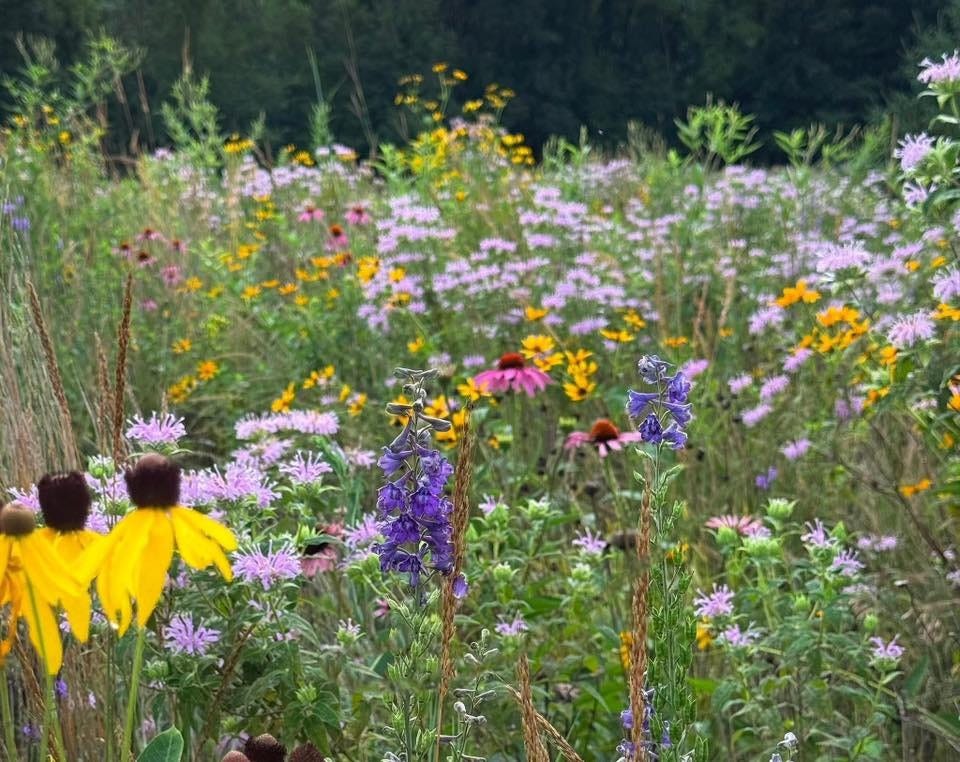
I understand that some folks don’t like the idea of organized chaos in their yard. But if you take the time to see the whole picture, you’ll see it as a collection of nature’s finest gifts to humanity. Picture your yard with flowers of different shapes, sizes, colors, and heights planted close together, creating a sea of multicolored blossoms that dance in the breeze. Visualize a host of butterflies, bees, hummingbirds, beetles, and other assorted creatures investigating the treasures hiding within the beautiful rainbow of colors. Looks a lot better than a boring monocrop of grass.
Working with Nature
If you’ve read my earlier articles, you’ll know that my dream of having a pollinator paradise surrounding my home will not become a reality, in this lifetime at least. I live in an apartment now with only a small patio suitable for some potted plants. Also, even though I’ve recovered almost 100% from my stroke, my “get up and go” has “got up and gone.” I just don’t have the stamina for prolonged outside work.
Therefore, from here on out, the focus of my Substack articles will be centered around the concept of working with nature.
Since the Industrial Revolution, too much emphasis has been placed on using our planet to benefit industry and greedy individuals without considering the negative effects on the environment. I want to contribute to changing that way of thinking!
Instead of trying to dominate nature, I want humanity to adopt a philosophy
that integrates conservation goals, creating mutually beneficial outcomes for all living things, including plants, trees, people, and all the creatures that inhabit Planet Earth.

Too Much to Ask For?
Perhaps it isn’t. Change often begins with simple acts of observation and small gestures of care. Imagine, if each of us made a conscious choice to plant just a few native species or to let a patch of wildness thrive, how quickly our landscapes and collective consciousness might shift. Over time, these tiny sanctuaries could stitch together corridors for pollinators and songbirds, knitting urban and rural spaces into a tapestry of life.
Beyond the tangible benefits for the earth, there’s a quiet joy in embracing nature’s subtle choreography—the way dew glistens on a spider’s web at dawn, or the gentle hum of life returning to a once-silent corner of the yard. In working with, rather than against these rhythms, we rediscover our place within the larger story of the planet.
So, perhaps the next time you pass by a patch of so-called weeds or a riot of wildflowers, you’ll not see disorder but instead the intricate artistry of nature’s design—a reminder that resilience and brilliance arise where diversity is celebrated. All it takes is a willingness to look, to learn, and to let go of control, trusting that the wisdom of the natural world is, and always has been, our greatest teacher.

Thank you for reading my article. Please use the buttons below to Like, Comment, Restack, and Share my post on Substack and other social media platforms.
All my articles are free, so I’d be grateful if you would Buy Me a Brownie to support my work and help spread our love for Mother Nature worldwide.
People shame Lawn grass for being a polluting monoculture when as you point out fields were once filled with flowers. The fault lies with an industry that demand they be employed to look under your turf and prepare it for the growing season like lawns are automobiles in need of an oil change. In Springfield MA 16 established lawns were not fertilized (no nutrient pollution or nitrogen killing beneficial soil microbes) and not watered. This nontreatment encouraged roots to go deep opening up the soil to life. Grass plants push out the highest percentage of photoysnthesized carbohydrates to build soil (50% not 33%). During the summer 36 species of wildflowers blossomed in the lawns. 1/3 of the lawns were mowed weekly, 1/3 every 2 weeks, and 1/3 every 3 weeks. All with blade set 4 inches high. The lawns cut every 3 weeks were found to have 62 species of bees. The lawns cut every 2 weeks had 94 bee species. Apparently bee species diversity was greater in the shorter than 3 week cut grass. Bees hate watering, hit by drops and filling pith nests. When you walk on the grass or cut it, the plant is stimulated to grow drawing down more carbon dioxide and feeding the soil more carbohydrates. In New England a lawn can build an inch of soil in a year. Four inches of soil can hold seven inches of rain thanks to sticky carbohydrates holding mineral grains far apart. For life on Earth any vegetation and soil is better than hardscape and heat islands.
In the UK our history is littered with garden designers trying to "tame" nature and try to get it to conform to our requirements. This was especially the case in the period of the Enlightenment (about 1680 to 1815) when it appeared that we had got all the answers (Isaac Newton is who I blame). But I prefer a more balanced landscape with room for nature to just be with less interventions. Sadly as more house building takes place in traditionally rural areas nature is getting trampled.